Hezekiah: The Answer That Extended the Story
2 Kings 20:1 to 11; Isaiah 38
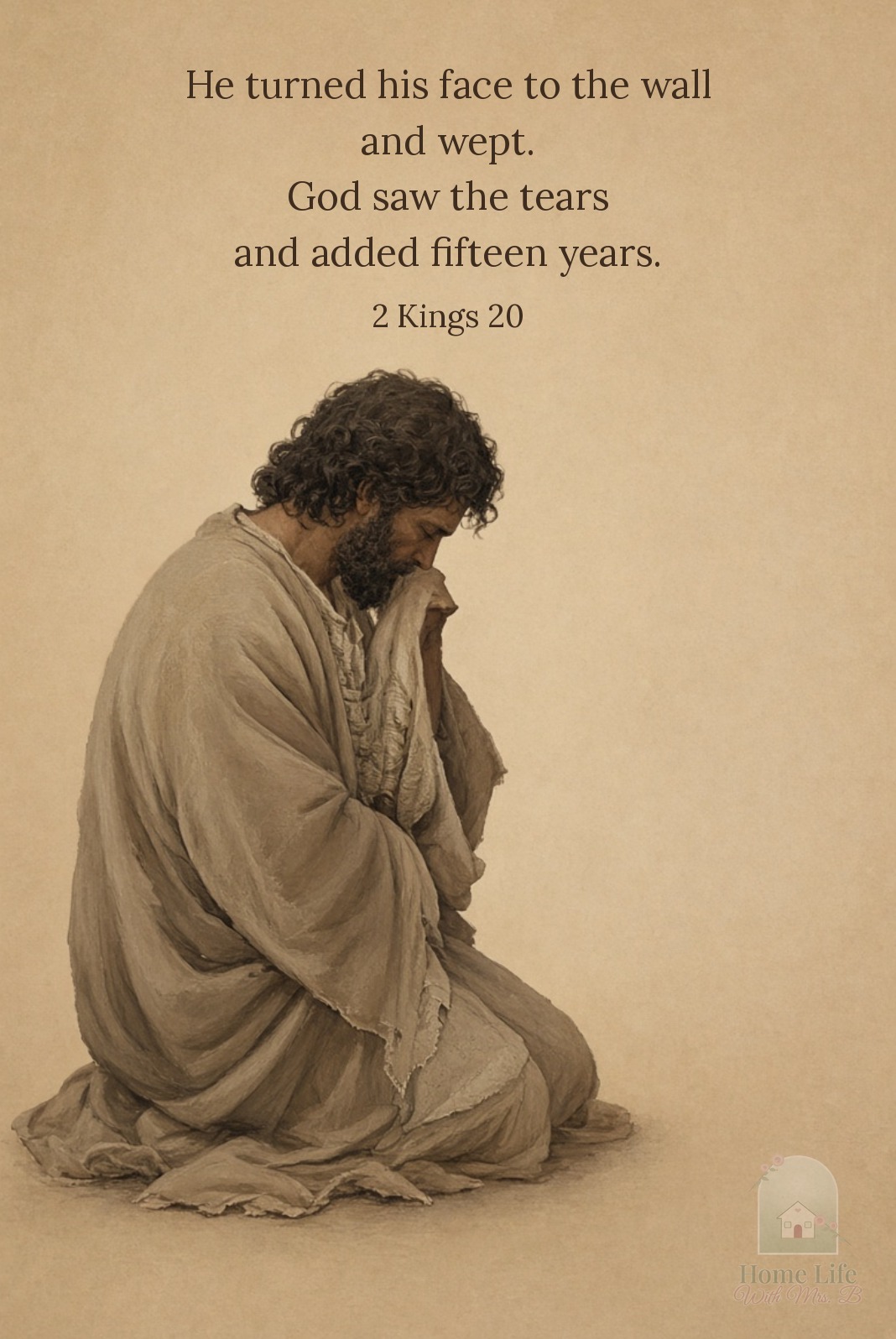
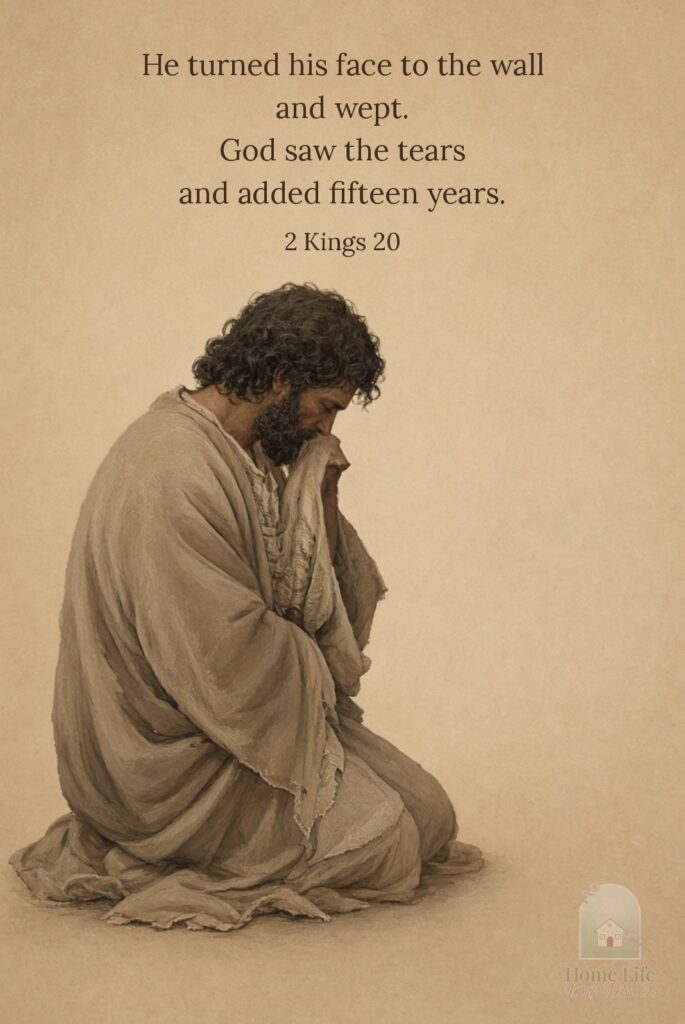
Hezekiah was told he would die. The prophet Isaiah came with a clear word, “Set your house in order, for you shall die and not live.” In that moment, the king turned his face to the wall. Scripture says he wept bitterly and prayed that God would remember how he had walked before Him in faithfulness and with a whole heart.
In those days was Hezekiah sick unto death. And the prophet Isaiah the son of Amoz came to him, and said unto him, Thus saith the LORD, Set thine house in order; for thou shalt die, and not live.
2 Kings 20:1
Then he turned his face to the wall, and prayed unto the LORD, saying,
2 Kings 20:2
I beseech thee, O LORD, remember now how I have walked before thee in truth and with a perfect heart, and have done that which is good in thy sight. And Hezekiah wept sore.
2 Kings 20:3
God heard him. Before Isaiah had even left the courtyard, the Lord sent him back with a different word: “I have heard your prayer. I have seen your tears. I will add fifteen years to your life.” A sign was given, the shadow on the sundial moved backward, and the story that seemed finished was extended.
Turn again, and tell Hezekiah the captain of my people, Thus saith the LORD, the God of David thy father, I have heard thy prayer, I have seen thy tears: behold, I will heal thee: on the third day thou shalt go up unto the house of the LORD.
2 Kings 20:5
And I will add unto thy days fifteen years; and I will deliver thee and this city out of the hand of the king of Assyria; and I will defend this city for mine own sake, and for my servant David’s sake.
2 Kings 20:6
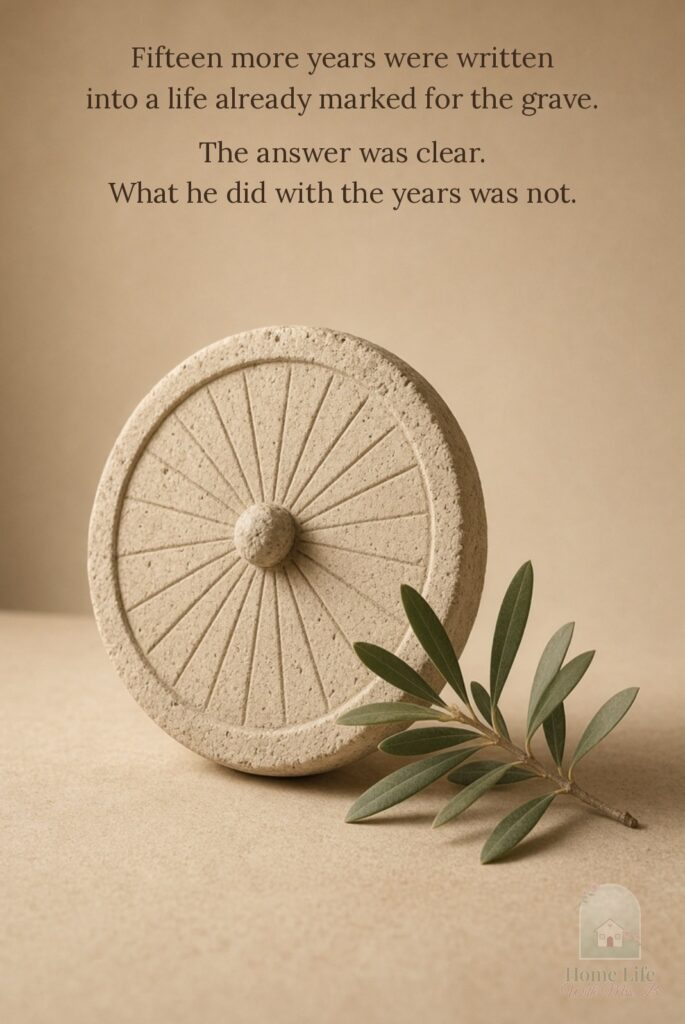
The answer was clear, swift, and miraculous. Fifteen more years were written into a life that had already been marked for the grave.
And Isaiah the prophet cried unto the LORD: and he brought the shadow ten degrees backward, by which it had gone down in the dial of Ahaz.
2 Kings 20:11
Yet later chapters show that the gift was not always carried with the same humility that had first cried out for it. In 2 Chronicles 32:24 to 26 we read that Hezekiah’s heart became proud after the healing, and he did not respond to the kindness shown to him. The man who once wept against the wall later opened his treasures to Babylonian envoys and boasted of what he had. The prayer that moved heaven was eventually followed by a heart that forgot the desperation that once drove it.
But Hezekiah rendered not again according to the benefit done unto him; for his heart was lifted up: therefore there was wrath upon him, and upon Judah and Jerusalem.
2 Chronicles 32:25
Notwithstanding Hezekiah humbled himself for the pride of his heart, both he and the inhabitants of Jerusalem, so that the wrath of the LORD came not upon them in the days of Hezekiah.
2 Chronicles 32:26
Hezekiah’s story holds both the kindness of God and a sober warning. An answered prayer can still be mishandled if the heart no longer remembers the place it once stood. The extension of the story is grace. What we do with the added years reveals whether we still know the God who gave them.
Reflection
When God has answered a prayer in your life, have you continued to walk in the same dependence and humility you had when you first cried out, or has the answer slowly made room for pride or self reliance?
Is there a place in your story right now where you need to turn your face to the wall, honest, raw, and desperate, trusting that God still sees tears and still hears the prayer that remembers His faithfulness?
Prayer
Heavenly Father, thank You for hearing the cries of Your children and for the times You have extended the story when it seemed finished. Keep my heart soft after the answer comes. Do not let the gift make me forget the desperation that once drove me to You. Teach me to steward every added day with humility, remembering that the years themselves are mercy. In Jesus name, Amen.